Blog

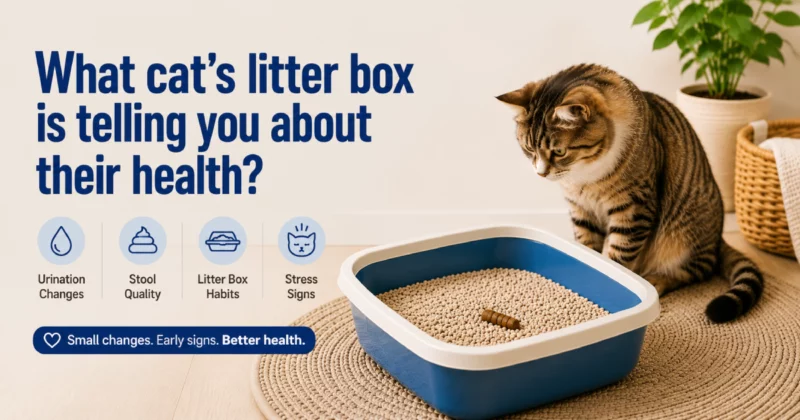
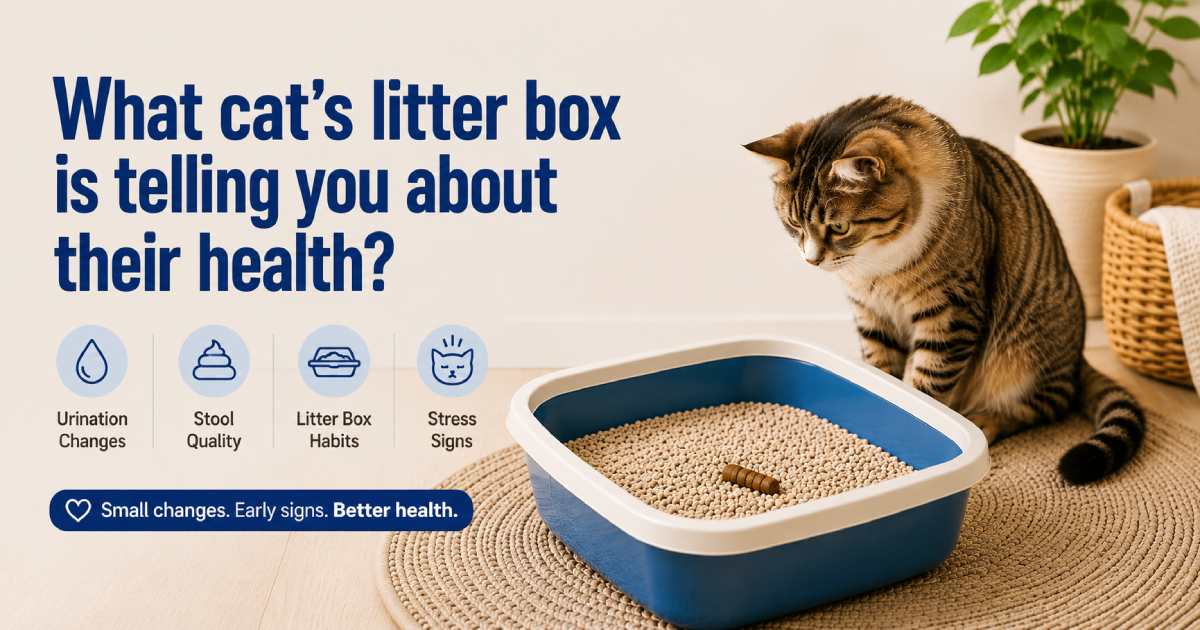
What is your cat’s litter box telling you about their health?

0

Most cat parents focus on food, grooming, and playtime, but one of the biggest indicators of your cat’s health is something many people overlook: the litter box.

Cats are naturally very clean animals, and even small changes in their litter box habits can reveal important clues about their physical and emotional well-being. From urination frequency and stool consistency to sudden behavioral changes, the litter box often becomes the first place where health problems quietly begin to show up.

Learning what is normal, what deserves attention, and when to visit a vet can help cat parents identify issues early and prevent serious complications. In this guide, we’ll help you understand what your cat’s litter box may be telling you about their health, and the signs you should never ignore.

Changes in urination frequency. What is normal, what is not?

A healthy adult cat urinates 2–4 times per day. Kittens urinate more frequently. Here is what to watch for:

Urinating more than 6–7 times a day: Could indicate diabetes, kidney disease, or a urinary tract infection. See a vet.
Urinating less than once a day or straining to urinate: This is a potential emergency, especially in male cats. Urinary blockage can be fatal within 24–48 hours. Go to a vet immediately.
Urinating outside the box suddenly: Often a sign of a UTI or stress. Rule out health causes before assuming it is a behaviour problem.

Blood in your cat’s urine or stool requires an immediate vet visit. Do not monitor it at home. Blood in urine (pink or red tinge) can indicate a urinary tract infection, bladder stones, or kidney disease. Blood in stool can indicate parasites, inflammation, or something more serious. Early treatment makes a significant difference in outcomes.

Type of Stools and signs to watch for

Loose stools for more than 2 days: Could be a dietary change, parasites, or infection. Withhold dairy (many Indian cat parents give milk, this causes digestive issues in adult cats) and see a vet if it continues.
Constipation/no stool for 48+ hours: Can be caused by dehydration, hairballs, or diet. Increase water intake and add wet food. If no improvement in 24 hours, see a vet.
Very strong or unusual smell: A sudden change in smell can indicate a digestive infection or dietary problem.
Mucus in stool: Occasional mucus is normal. Frequent mucus indicates inflammation in the gut, worth a vet visit.

What is Clumping vs non-clumping cat litter? 

Clumping litter forms solid clumps when it comes in contact with liquid, making it easy to scoop out waste without replacing the entire box. It lasts longer and is more economical over time. Most cat parents prefer it once they try it. Non-clumping litter absorbs liquid but does not form clumps. You cannot scoop out individual wet patches, you have to replace the entire contents more frequently. It is cheaper per bag but more expensive to maintain.

For most Indian cat parents, clumping litter is the better long-term choice, easier to clean, less waste, and more comfortable for the cat. Non-clumping works if you are on a tight budget and willing to do full changes more often

If a cat who was using the litter box reliably suddenly stops, always rule out a health cause first. UTIs, bladder stones, constipation, and arthritis (in older cats who find it painful to climb into the box) all manifest as litter box avoidance. Do not assume it is a behaviour problem until a vet has confirmed the cat is healthy.

FAQ

How often should I clean my cat's litter box?

Scoop the litter box at least once daily, twice daily in Indian summers or multi-cat homes. Do a full litter change and box wash every 1–2 weeks. A dirty litter box is the number one reason cats stop using it, and in warm climates bacteria builds up faster than you expect.

How many litter boxes does one cat need?

The standard rule is one litter box per cat, plus one extra. For a single cat in an Indian apartment, two litter boxes placed in different locations is ideal. This gives your cat options and means one is always available while the other is being cleaned.

Why is my cat not using the litter box?

The most common reasons are: the box is not cleaned frequently enough, the litter type has changed, the box is in a noisy or high-traffic spot, or there is a health issue such as a urinary infection. Rule out cleanliness and location first. If the problem persists, see a vet to rule out a medical cause.

Which cat litter is best for Indian homes?

Clumping clay litter is the most practical and widely available option for Indian homes. In high-humidity cities like Mumbai or Chennai, silica gel litter controls odour more effectively. Tofu and plant-based litters are a safe choice if your cat ingests small amounts while grooming. Avoid heavily scented litters as cats dislike artificial fragrances.

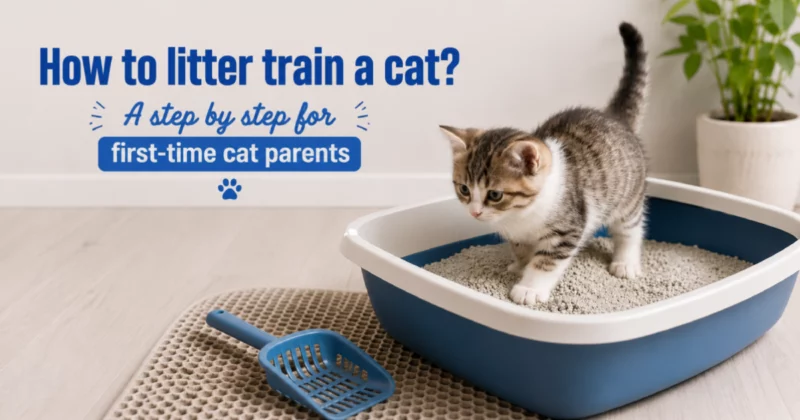
Can I train a cat to use a litter box?

Yes, most cats adapt to a litter box instinctively with minimal training. Place your kitten in the box after meals and naps. Use unscented litter initially. Never punish accidents. Most kittens are reliably litter-trained within one to two weeks.