Blog

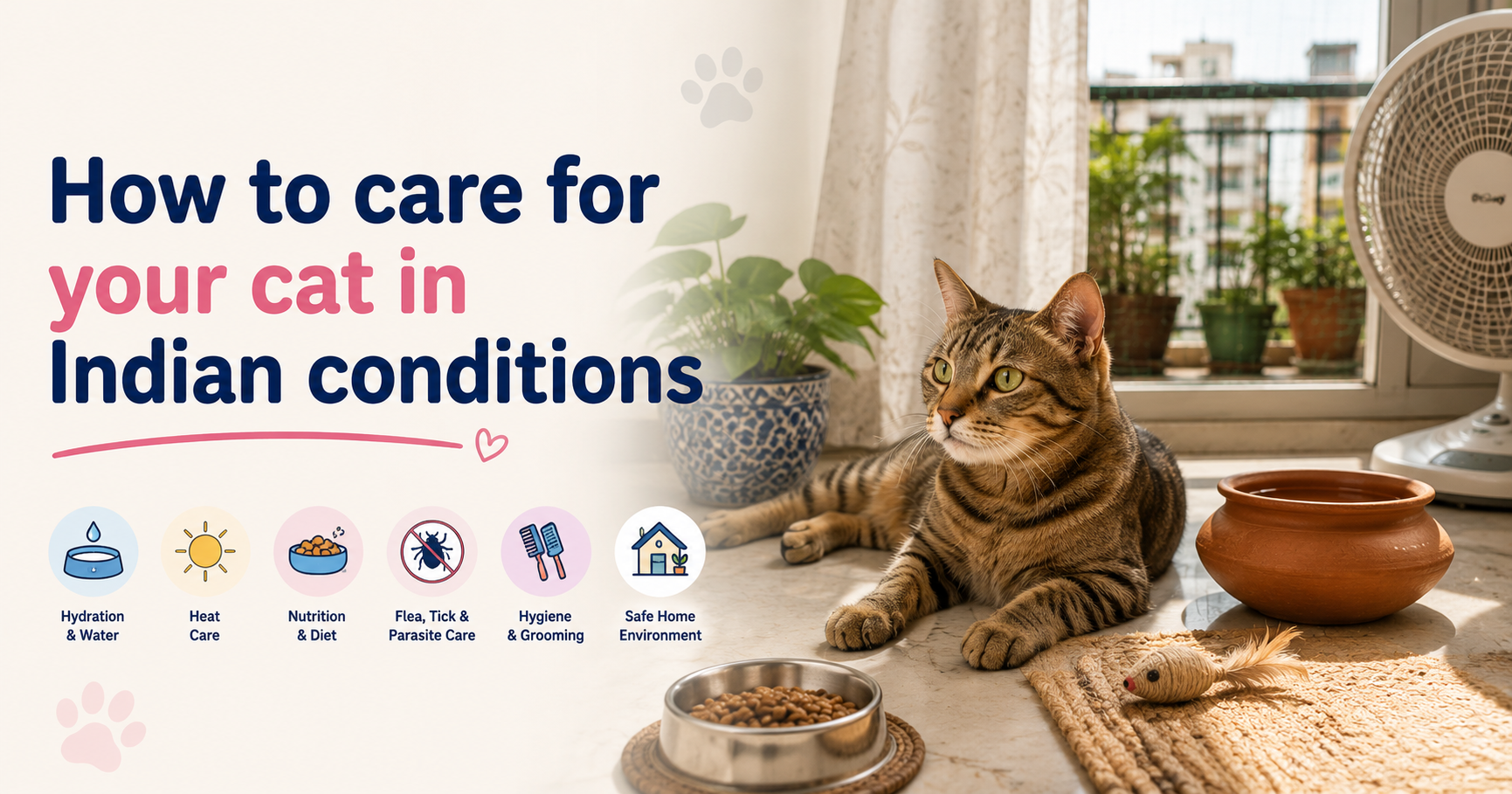
Indoor tabby cat relaxing in an Indian home beside a water bowl and toys, illustrating cat care tips for Indian weather and living conditions.

How to Care for Your Cat in Indian Conditions: 6 Things Every Cat Parent Must Know!

0

India’s climate, living spaces, and pet-care habits are very different from those in Western countries where most cat care advice originates. From scorching summers and monsoon humidity to apartment living and indoor lifestyles, Indian cat parents face unique challenges that directly impact their cat’s health and wellbeing.

The good news is that keeping a cat healthy in India doesn’t require complicated routines or expensive products. It comes down to understanding a few important area like hydration, litter hygiene, nutrition, parasite prevention, grooming, and creating a safe indoor environment.

In this guide, we’ll walk through a comphrehensive list of How to Care for Your Cat in Indian Conditions with six practical things every Indian cat parent should know to help their cat stay happy, healthy, and comfortable throughout the year.

1. Hydration is critical in Indian summers

Cats have a naturally low thirst drive, in the wild they get most of their water from prey. In Indian summers where temperatures can exceed 40°C, dehydration is a genuine health risk for indoor cats. Keep multiple water bowls in different spots. Use a water fountain if your cat ignores still water. And most importantly, feed wet food as part of every day’s meals because a cat eating wet food twice daily gets 150–180ml of water from their food alone, dramatically reducing urinary disease risk.

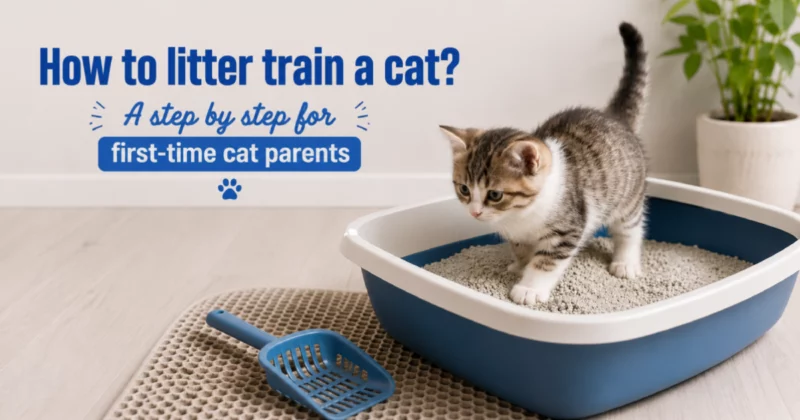
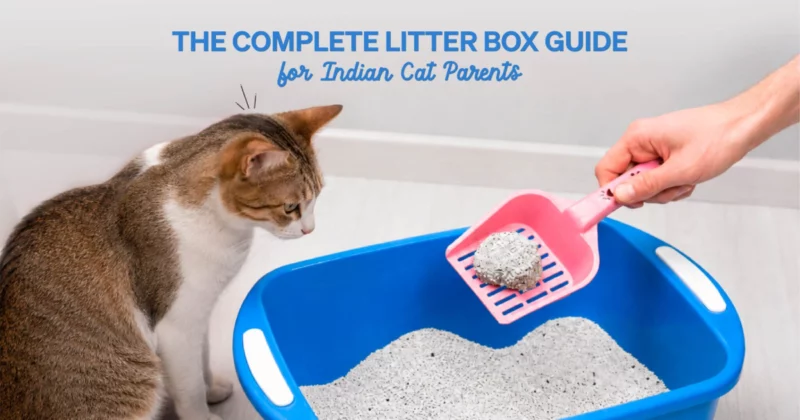
2. Litter box hygiene doubles in importance during summer

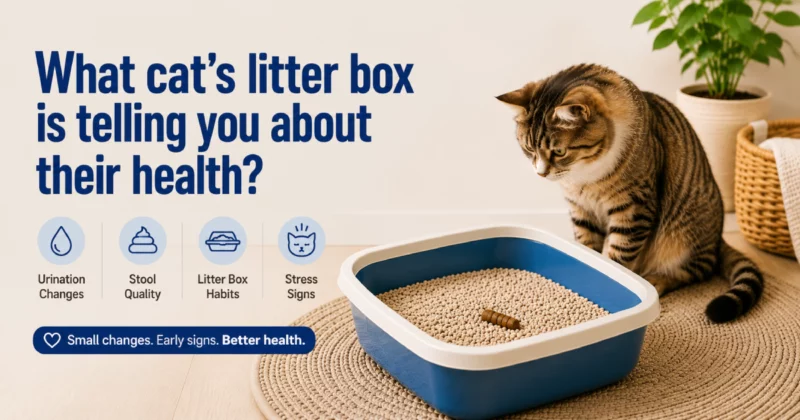
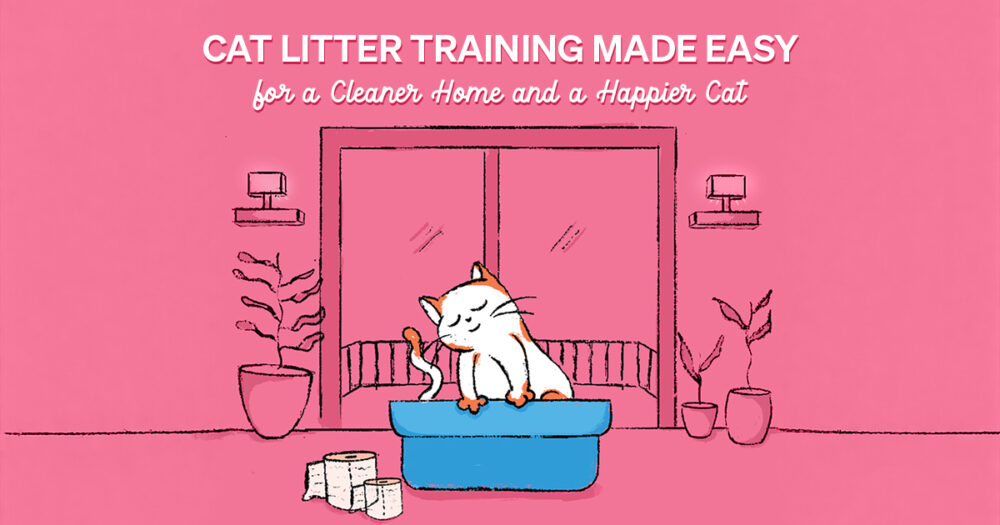
Heat accelerates bacterial growth. A litter box that is tolerable in December becomes unhygienic within hours in May. Scoop twice daily from April to June. Full litter change every 5–7 days in summer versus every 10–14 days in winter. Poor litter box hygiene is the number one preventable cause of feline lower urinary tract disease in Indian indoor cats.

3. Grooming frequency increases in monsoon

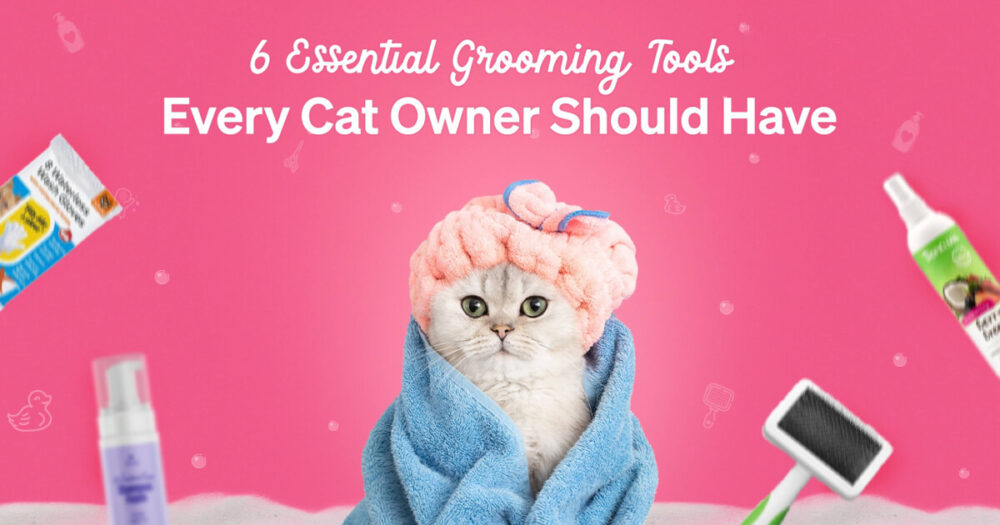
Humidity during the monsoon season causes long-haired breeds (Persians, Maine Coons, Ragdolls) to mat faster than in dry weather. Increase brushing frequency during June to September. Check for skin infections in folds and under arms as humidity combined with trapped moisture in thick coats creates ideal conditions for fungal growth.

4. Indoor temperature management is not optional for long-haired breeds

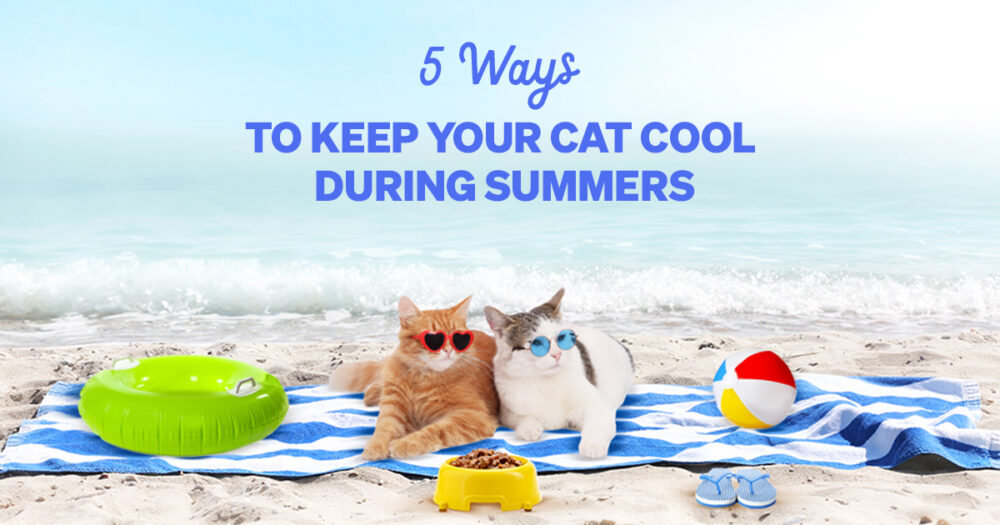
If you have a Persian, Maine Coon, or Himalayan cat and do not have air conditioning, you need a plan before summer arrives. Options in order of effectiveness: AC in the room they spend the most time in, cooling mats on ceramic tile floors (cats will find these naturally), fans with good ventilation, and ensuring access to cool corners and shade at all times. A cat who is overheating will pant, drool, and become lethargic, these are emergency signs requiring immediate veterinary attention.

5. Balcony safety is non-negotiable in Indian high-rises

In High-rise syndrome cats falling from upper-floor balconies is documented across Indian cities. Install balcony safety netting before your cat has balcony access. Nets are available at hardware stores for ₹500–1,500 per standard balcony width. This is the single most important safety modification for any Indian apartment cat parent.

6. Nutrition across life stages

Kittens (under 12 months) need higher caloric density and more frequent meals 3–4 small meals per day. Adults (1–7 years) do best on two measured meals per day, wet food in the morning and evening, with dry food measured and available. Senior cats (7+ years) need easily digestible protein and lower phosphorus to protect kidney function and wet food becomes even more critical at this life stage because seniors drink less water.

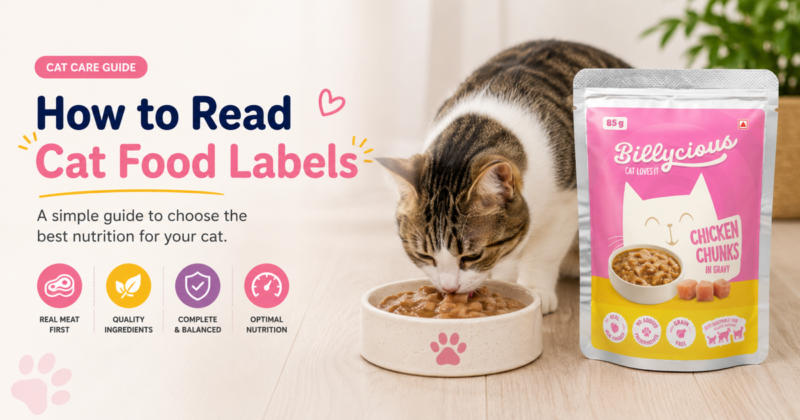
Billycious Cat Gravies are formulated for all breeds and all life stages the same pouch that your Indie kitten starts on is appropriate through adulthood and into the senior years. The four flavours allow rotation across proteins, which prevents dietary monotony and ensures exposure to different amino acid profiles across the week.

FAQ

Which cat breed is best for Indian climate and weather?

Short-haired breeds handle Indian conditions best. The Indie cat, Bombay, Siamese, British Shorthair, and Bengal all manage Indian heat reasonably well.

Long-haired breeds like Persian, Maine Coon, and Ragdol require air conditioning in Indian summers and are not suitable for homes without temperature control.

Which cat breed is best for a small Indian apartment?

The British Shorthair, Ragdoll, Persian, and Indie cat all adapt well to small Indian apartments. The British Shorthair is particularly well-suited being calm, independent, and not given to climbing or high activity. Bengals and Maine Coons need more space and are not ideal for 1BHK apartments.

What is the most popular cat breed in India?

The Indian Domestic Cat also called the Indie or Desi cat is the most prevalent cat in India by far. Among pedigreed breeds, the Persian is the most popular, followed by the Siamese and British Shorthair. The Indie cat is recommended for most first-time Indian cat parents for its adaptability, low maintenance, and natural immunity to Indian conditions.

What is the cheapest cat breed in India?

The Indian Domestic Cat (Indie cat) is free to minimal cost from shelters and rescue organisations. Among pedigreed breeds, Siamese cats are relatively affordable (₹8,000–25,000). The most expensive breeds in India are Bengals (₹25,000–80,000) and Maine Coons (₹20,000–60,000).

Is the Indian Domestic Cat a good pet?

Yes, the Indie cat makes an excellent pet, particularly for first-time cat parents in India. They are naturally adapted to Indian climate and conditions, require minimal grooming, have strong natural immunity, and form deep bonds with their caregivers once trust is established. They are also the most affordable and ethical option and most can be adopted free from shelters or rescue groups.

What do I feed a cat in India?

Cats are obligate carnivores and require a protein-rich diet with taurine as an essential amino acid. Wet food should be part of every Indian cat’s diet, it provides the hydration cats need and reduces urinary disease risk, which is higher in cats fed dry food only. Billycious Cat Gravies –  available in Chicken, Tuna, Mackerel, and Sardine are India-made, SGS lab-tested, and priced at ₹50 per 85g pouch.