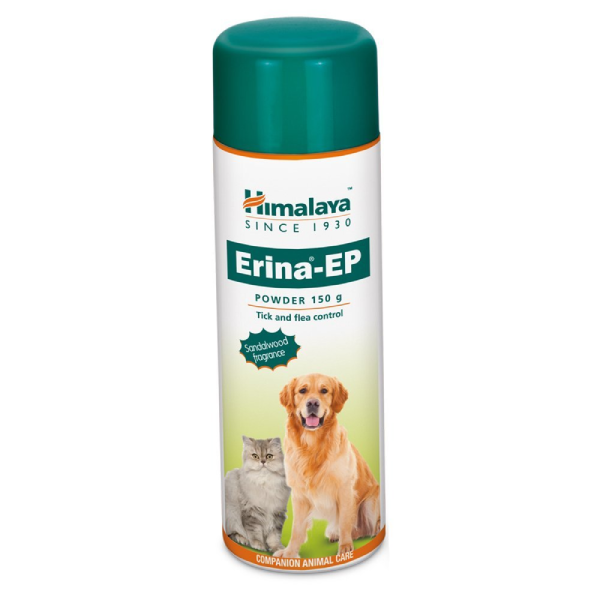
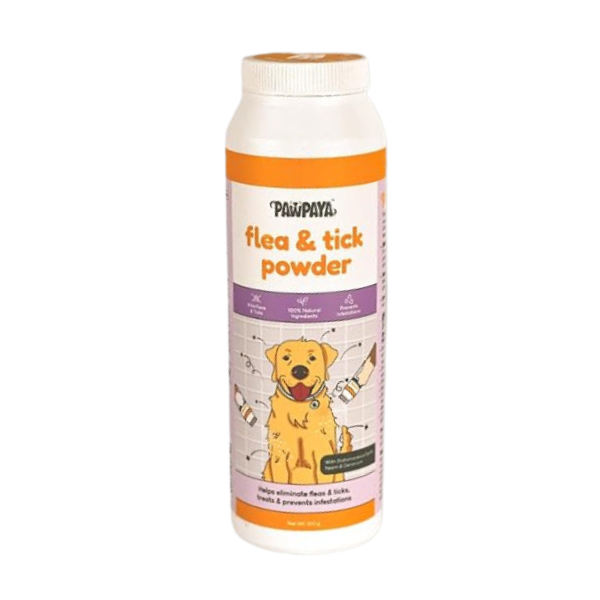
Tick and flea care is a key part of overall cat grooming and wellbeing. Parasites like fleas and ticks can irritate your cat’s skin, cause itching, and even lead to infections or discomfort if left unchecked. Creating a regular grooming routine that includes checking for and managing ticks and fleas helps keep your cat healthy and comfortable.
Why Tick & Flea Care Matters
Fleas and ticks are common external parasites that feed on your cat’s blood. Their bites can cause itching, redness, and scratching. In severe cases, heavy infestations may lead to hair loss, skin irritation, or allergic reactions. Regular attention to tick and flea prevention can reduce health risks and prevent discomfort.
Routine Checks During Grooming
Incorporating parasite checks into your regular grooming sessions is effective. While brushing or combing, separate the fur and look for tiny dark specks or moving insects close to the skin. Pay special attention to the neck, belly, and around the ears where fleas and ticks may hide. Early detection helps manage issues before they become serious.
Skin and Fur Health Support
Healthy skin is less attractive to parasites. Regular brushing removes loose hair and helps you spot changes in the coat or skin quickly. A clean, well-maintained fur layer allows you to see signs of irritation, redness, or crawling pests early. Proper grooming also improves air circulation around the skin.
Seasonal Awareness and Outdoor Cats
Cats that spend time outdoors are more likely to encounter ticks and fleas. These parasites are most active in warmer months but can persist indoors year-round. Be aware of seasonal risk and check your cat more frequently during spring and summer when external parasites are most common.
Integrating Checks Into Daily Routine
Making tick and flea checks a part of your usual grooming routine helps establish good habits. A quick look over the coat while brushing improves detection and prevents problems from escalating. If you notice signs of infrequent scratching, small dark flea specks, or attached ticks, consult a veterinarian for diagnosis and safe treatment.
Tick and flea care is about prevention, early detection, and keeping your cat comfortable. Regular checks combined with a consistent grooming routine help support healthy fur, skin comfort, and a happier cat.