Blog

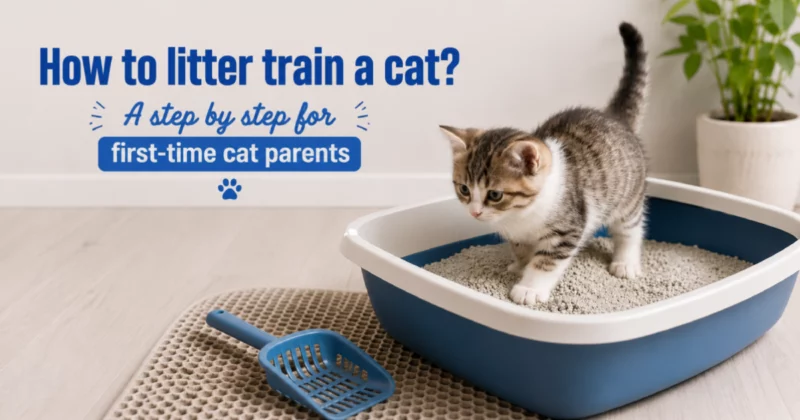
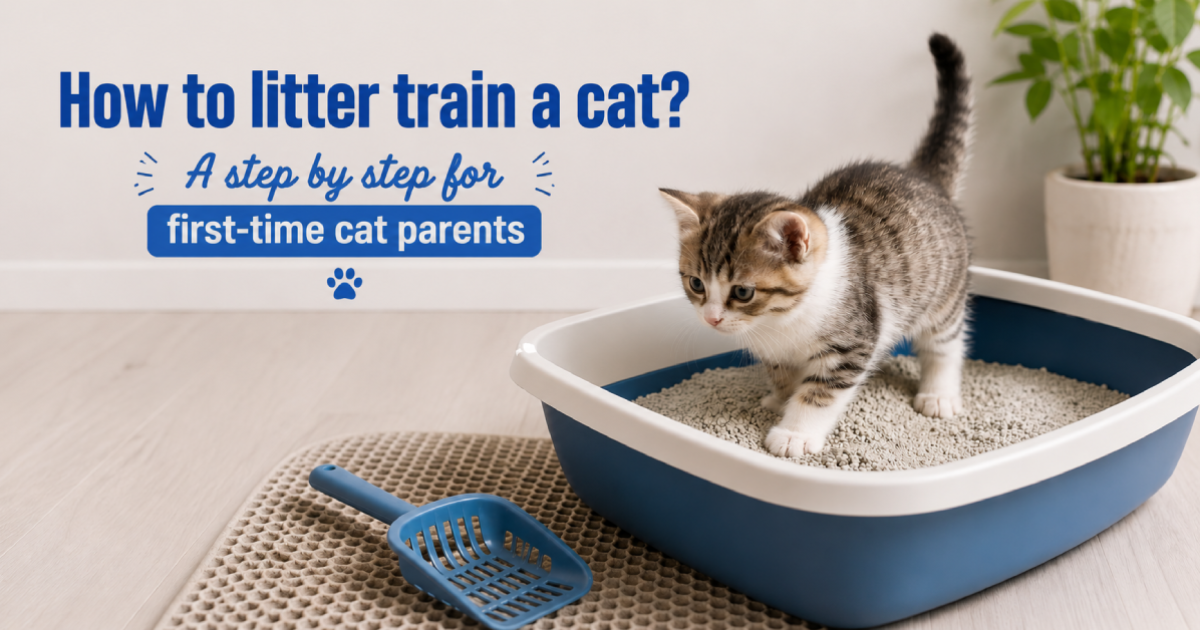
How to litter train a cat? A step by step for first-time cat parent

0

Bringing home a cat for the first time comes with a lot of excitement  and a lot of questions.

One of the biggest concerns for new cat parents is litter training. Well! The good news is Cats are naturally clean animals, and most kittens learn how to use a litter box surprisingly quickly with the right setup and a little patience.

Understanding how cats think, where to place the litter box, what type of litter to use, and how to avoid common mistakes can make the process much smoother for both you and your cat. Whether you’ve just adopted a playful kitten or welcomed an older rescue cat into your home, creating a comfortable litter routine is one of the first steps toward helping them feel safe and settled.

In this guide, we’ll walk you through everything first-time cat parents need to know about litter training, from introducing the litter box for the first time to solving common litter box problems and avoiding beginner mistakes.

How to introduce a kitten to the litter box for the first time?

  1. Place the litter box in a quiet, accessible spot before bringing your kitten home
  2. Show the kitten the box as soon as they arrive and gently place them in it so they can smell the litter
  3. After every meal and every nap, carry the kitten to the litter box as these are the times cats most need to go
  4. If the kitten squats elsewhere, gently pick them up and place them in the box and do not scold
  5. Once they use it successfully, leave a small amount of used litter in the box for a few days, the scent helps them identify it as their toilet
  6. Gradually move the box to its permanent location if needed, a few centimetres per day, never all at once

But, what to do if your cat refuses to use the litter box

If your cat was using the box and suddenly stops, or refuses from the start, work through this checklist before panicking:

  • Is the box clean enough? This is the number one reason. Cats will not use a box they find too dirty. Scoop daily, no exceptions.
  • Has the litter type changed? Cats are sensitive to texture and smell. If you switched brands, switch back and transition slowly.
  • Is the box big enough? Your cat should be able to turn around fully inside the box. Many standard boxes sold in India are too small for adult cats.
  • Is it in a high-stress spot? Near a washing machine, a doorbell-accessible area, or a noisy corridor will put a cat off.
  • Could it be a health issue? Urinary infections, constipation, and kidney problems all affect litter box behaviour. If the above are ruled out, see a vet.

Common litter training mistakes first-time cat parents make

  1. Punishing accidents. This creates anxiety and makes the problem worse, never better
  2. Using heavily scented litter. Cats dislike strong artificial fragrances; always start with unscented
  3. Moving the litter box frequently.  Pick a spot and commit to it
  4. Only having one box for a multi-cat home
  5. Placing the box next to food or water as cats will avoid it.

How often should you clean the litter box?

Scoop solid waste and clumps: Once daily (twice if you have 2+ cats). Full litter top-up: Every 2–3 days as litter gets used up, Full litter change + box wash: Every 1–2 weeks, Deep clean with soap and water: Once a month! A cat who finds their box too dirty will hold it, which causes stress and can lead to urinary problems. Daily scooping is genuinely non-negotiable. It takes under two minutes and prevents 90% of litter box problems.

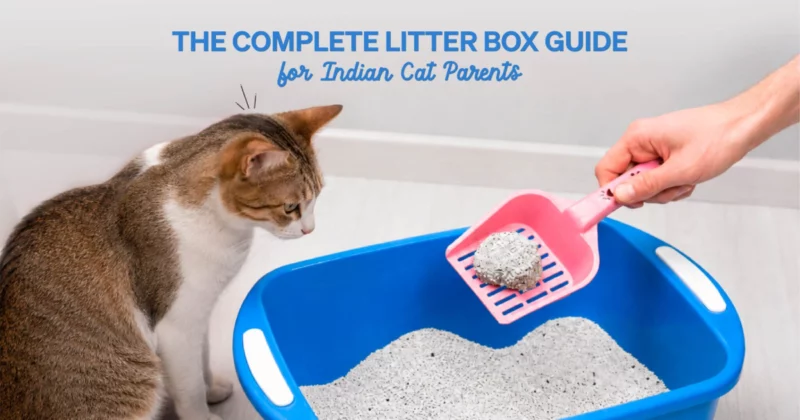
The Next questions is How to control cat litter smell in Indian homes, especially in summers?

Indian summers are the hardest time for litter box smell management. Heat accelerates bacteria growth, and humid cities like Mumbai, Chennai, and Kolkata compound the problem. Here is what actually works: Scoop twice daily in summer ! Once in the morning, once in the evening. Secondly, Use baking soda, a thin layer under the litter absorbs odour naturally and is safe for cats. You can also Switch to silica gel litter in peak summer as it controls odour significantly better than clay in high heat. Try Placing a small open container of activated charcoal near the litter box because it absorbs airborne odour without affecting the cat. Never use air freshener sprays near the litter box, artificial fragrances are toxic to cats and will make them avoid the box and ventilate the room even a small exhaust fan near the litter area makes a dramatic difference.

FAQ

Why is my cat not using the litter box?

The most common reasons are: the box is not cleaned frequently enough, the litter type has changed, the box is in a noisy or high-traffic spot, or there is a health issue such as a urinary infection. Rule out cleanliness and location first. If the problem persists, see a vet to rule out a medical cause.

Which cat litter is best for Indian homes?

Clumping clay litter is the most practical and widely available option for Indian homes. In high-humidity cities like Mumbai or Chennai, silica gel litter controls odour more effectively. Tofu and plant-based litters are a safe choice if your cat ingests small amounts while grooming. Avoid heavily scented litters as cats dislike artificial fragrances.

What does blood in a cat's litter box mean?

Blood in a cat’s urine or stool requires an immediate vet visit, do not wait to see if it resolves. Blood in urine can indicate a urinary tract infection, bladder stones, or kidney disease. Blood in stool can indicate parasites, infection, or inflammation. Early treatment significantly improves outcomes.