
Related posts

How to Care for Your Cat in Indian Conditions: 6 Things Every Cat Parent Must Know!
India's climate, living spaces, and pet-care habits are very different from those in Western countr...
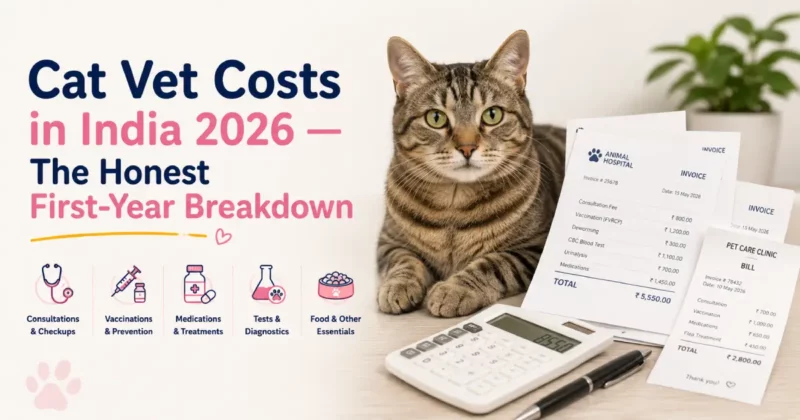
Cat Vet Costs in India? The Honest First-Year Breakdown!
Bringing home a cat is exciting, but one of the biggest surprises for first-time cat parents is vet...

How to read a cat food label? Cat food in India
Choosing the right food for your cat can feel overwhelming. With hundreds of brands, marketing clai...

Complete Cat Food Guide for India 2026 Wet vs Dry, Labels and Ingredients
Food is the single most impactful daily decision you make for your cat. Get it right and you signif...

5 Things Every First-Time Cat Parent in India Must Know!
India's pet care market is growing, yet most first-time cat parents receive no structured guidance ...
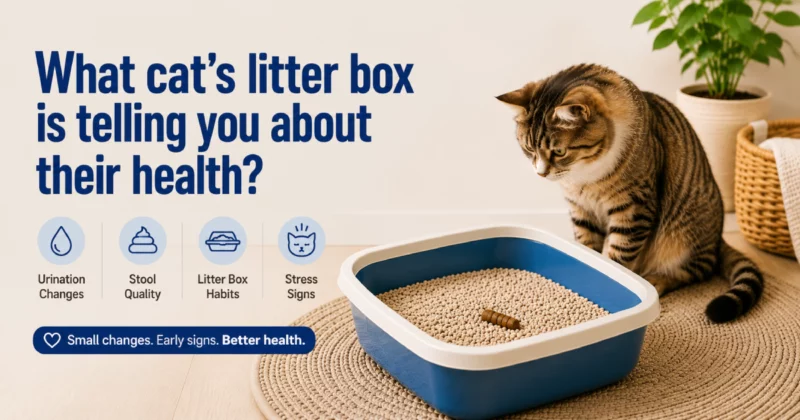
What is your cat’s litter box telling you about their health?
Most cat parents focus on food, grooming, and playtime, but one of the biggest indicators of your c...
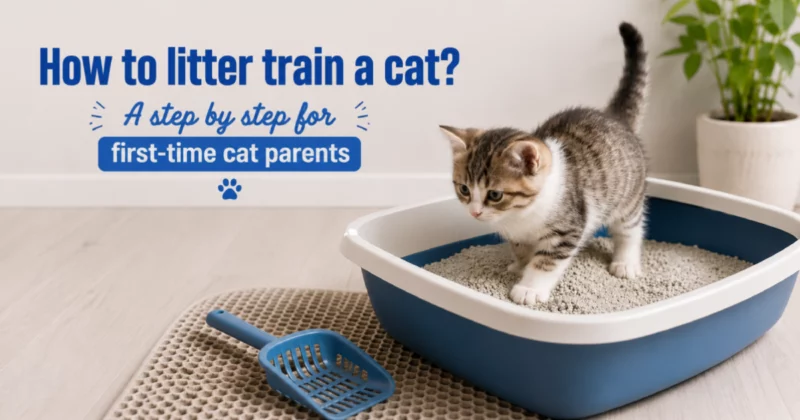
How to litter train a cat? A step by step for first-time cat parent
Bringing home a cat for the first time comes with a lot of excitement and a lot of questions.
One...
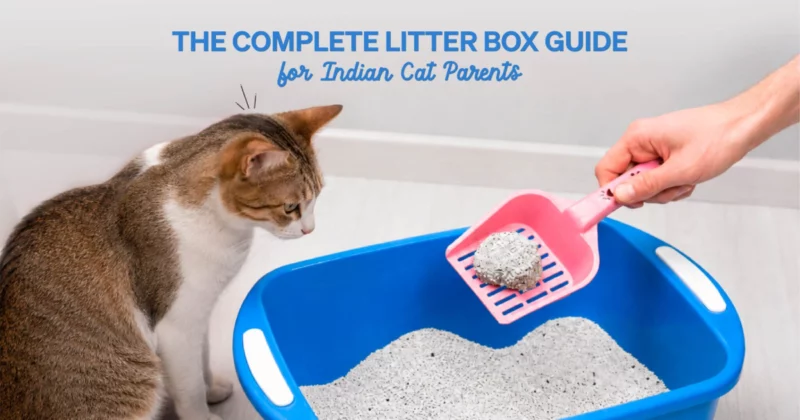
The Complete Litter Box Guide for Indian Cat Parents
A litter box is where your cat will spend time every single day, So, getting it right affects their...

Understanding Cat Body Language and Communication 🐾
Your Cat Is Talking to You — Are You Listening?
Cats may not use words, but they are constantly co...

5 Ways to Keep Your Cat Cool During Summers
Summer can be tough for our furry friends. Cats can’t sweat like humans do, so they need our help t...

6 Essential Grooming Tools Every Cat Owner Should Have
Grooming your cat isn’t just to make them look adorable (though they always do!), it’s a big part o...
Cat Litter Training Made Easy: for a Cleaner Home and a Happier Cat
Training your cat to use a litter box doesn't have to be stressful. Whether you're welcoming a new ...